Tumor Biopsies as Theragnostic Tools: Predicting Immunotherapy Response Through Functional Analysis
Gutierrez-Sandoval, Ramon E, MD; Gutierrez-Castro, Francisco, TM; Sobarzo, Adolay, TM; Iturra, Jordan, EU; Krakowiak, Francisco, TM ; et al. Archives of Pathology & Laboratory Medicine; Northfield Tomo 149, N.º 8, (Aug 2025): E268.
Phospholipids and Bioactive Proteins in Oncology and Neurodegenerative Diseases: A Protocol for Evaluation and Quality Control
Gutierrez-Sandoval, Ramon E, MD; Gutierrez-Castro, Francisco, TM; Sobarzo, Adolay, TM; Rivadeneira, Ider, MD; Iturra, Jordan, EU ; et al. Archives of Pathology & Laboratory Medicine; Northfield Tomo 149, N.º 8, (Aug 2025): E269-E270.
by Ramón Gutiérrez-Sandoval 1,*,†,Francisco Gutiérrez-Castro 2,†,Natalia Muñoz-Godoy 2,Ider Rivadeneira 3,Adolay Sobarzo 4,Jordan Iturra 3,Ignacio Muñoz 3,Cristián Peña-Vargas 1,Matías Vidal 1 andFrancisco Krakowiak 5
- Department of Oncopathology, OGRD Alliance, Lewes, DE 19958, USA
- Cancer Research Department, Flowinmunocell-Bioexocell Group, 08028 Barcelona, Spain
- Outreach and Engagement Programs Department for the OGRD Consortium, Charlestown KN0802, Saint Kitts and Nevis
- Departamento de Ciencias Biológicas y Químicas, Facultad de Ciencias, Universidad San Sebastián, Lientur 1457, Concepción 4080871, Chile
- Department of Molecular Oncopathology, Bioclas, Concepción 4030000, Chile
*Author to whom correspondence should be addressed.
† These authors contributed equally to this work.
Biology 2025, 14(8), 953; https://doi.org/10.3390/biology14080953
Submission received: 13 June 2025 / Revised: 22 July 2025 / Accepted: 27 July 2025 / Published: 28 July 2025
(This article belongs to the Section Cancer Biology)
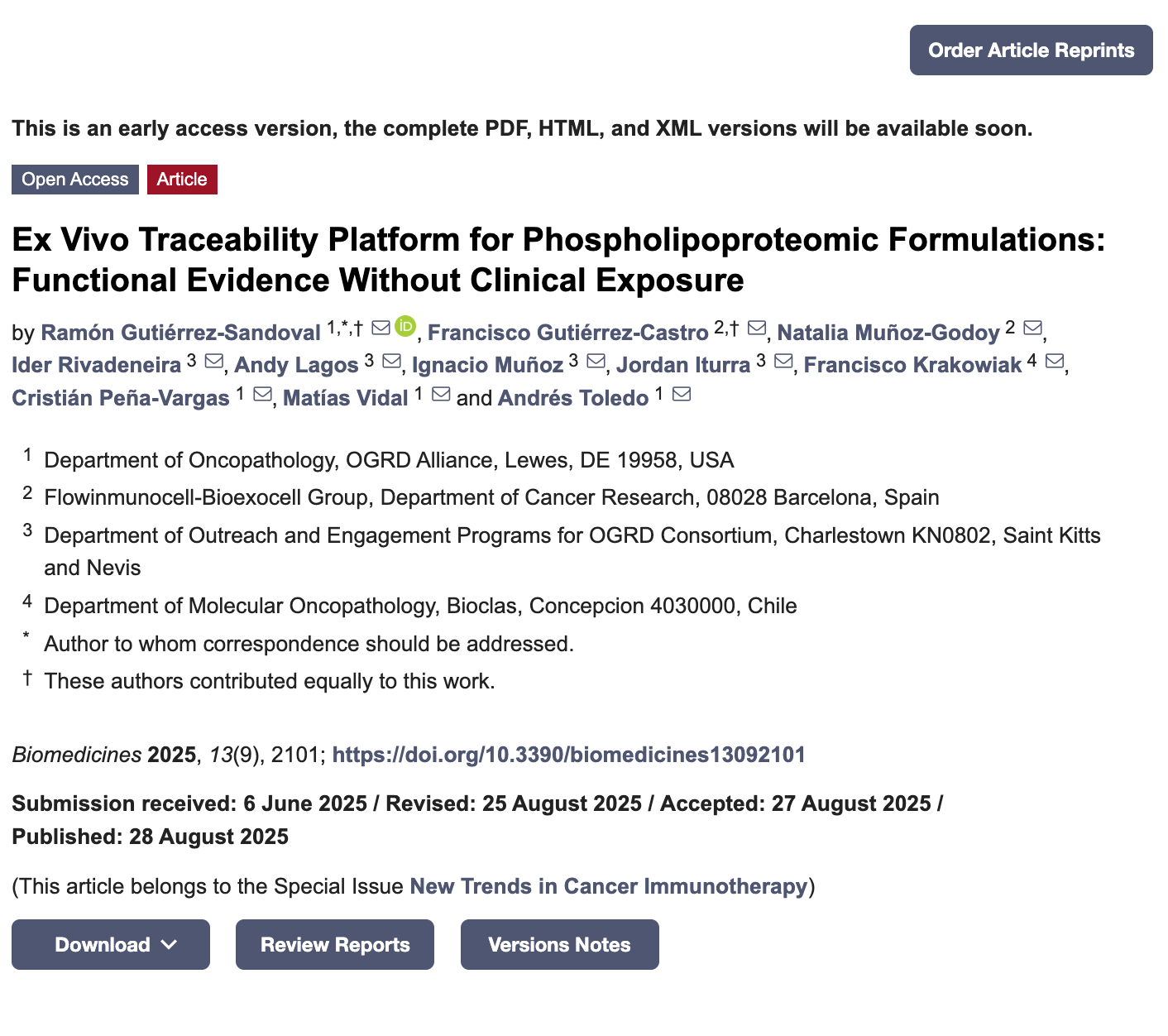
by Ramón Gutiérrez-Sandoval 1,*,†,Francisco Gutiérrez-Castro 2,†,Natalia Muñoz-Godoy 2,Ider Rivadeneira 3,Andy Lagos 3,Ignacio Muñoz 3,Jordan Iturra 3,Francisco Krakowiak 4,Cristián Peña-Vargas 1,Matías Vidal 1 andAndrés Toledo 1
- Department of Oncopathology, OGRD Alliance, Lewes, DE 19958, USA
- Flowinmunocell-Bioexocell Group, Department of Cancer Research, 08028 Barcelona, Spain
- Department of Outreach and Engagement Programs for OGRD Consortium, Charlestown KN0802, Saint Kitts and Nevis
- Department of Molecular Oncopathology, Bioclas, Concepcion 4030000, Chile Author to whom correspondence should be addressed.
† These authors contributed equally to this work.
Biomedicines 2025, 13(9), 2101; https://doi.org/10.3390/biomedicines13092101
Submission received: 6 June 2025 / Revised: 25 August 2025 / Accepted: 27 August 2025 / Published: 28 August 2025
(This article belongs to the Special Issue New Trends in Cancer Immunotherapy)
by Ramón Gutiérrez-Sandoval 1,*,†,Francisco Gutiérrez-Castro 2,†,Natalia Muñoz-Godoy 2,Ider Rivadeneira 3,Andy Lagos 3,Ignacio Muñoz 3,Jordan Iturra 3,Francisco Krakowiak 4,Cristián Peña-Vargas 1,Matías Vidal 1 andAndrés Toledo 1
- Department of Oncopathology, OGRD Alliance, Lewes, DE 19958, USA
- Flowinmunocell-Bioexocell Group, Department of Cancer Research, 08028 Barcelona, Spain
- Department of Outreach and Engagement Programs for OGRD Consortium, Charlestown KN0802, Saint Kitts and Nevis
- Department of Molecular Oncopathology, Bioclas, Concepcion 4030000, Chile Author to whom correspondence should be addressed.
† These authors contributed equally to this work.
Biomedicines 2025, 13(9), 2101; https://doi.org/10.3390/biomedicines13092101
Submission received: 6 June 2025 / Revised: 25 August 2025 / Accepted: 27 August 2025 / Published: 28 August 2025
(This article belongs to the Special Issue New Trends in Cancer Immunotherapy)
by Ramón Gutiérrez-Sandoval¹,†, Francisco Gutiérrez-Castro²,†, Natalia Muñoz-Godoy², Ider Rivadeneira³, Adolay Sobarzo⁴, Luis Alarcón³, Wilson Dorado³, Andy Lagos³, Diego Montenegro³, Ignacio Muñoz³, Rodrigo Aguilera³, Jordan Iturra³, Francisco Krakowiak⁵, Cristián Peña-Vargas¹, and Andrés Toledo¹
¹ Department of Oncopathology, OGRD Alliance, Lewes, DE 19958, USA
² Department of Cancer Research, Flowimmunocell-Bioexcell Group, 08028 Barcelona, Spain
³ Department of Outreach and Engagement Programs for OGRD Consortium, Charlestown KN0802, Saint Kitts and Nevis
⁴ Department of Biological and Chemistry Sciences, Faculty of Science, Universidad San Sebastián, Lientur 1457, Concepción 4080871, Chile
⁵ Department of Molecular Oncopathology, Bioclas, Concepción 4030000, Chile
* Author to whom correspondence should be addressed.
† These authors contributed equally to this work.
Int. J. Mol. Sci. 2025, 26(12), 5444; https://pubmed.ncbi.nlm.nih.gov/40564910
Submission received: 19 March 2025 | Revised: 1 June 2025 | Accepted: 3 June 2025 | Published: 6 June 2025
by Ramon Gutierrez-Sandoval¹,†, Francisco Gutierrez-Castro²,†, Natalia Muñoz-Godoy², Ider Rivadeneira³, Adolay Sobarzo⁴, Luis Alarcón³, Wilson Dorado³, Andy Lagos³, Diego Montenegro³, Ignacio Muñoz³, Rodrigo Aguilera³, Jordan Iturra³, Francisco Krakowiak⁵, Cristián Peña-Vargas¹, and Andres Toledo¹
¹ Department of Oncopathology, OGRD Alliance, Lewes, DE 19958, USA
² Department of Cancer Research, Flowimmunocell-Bioexcell Group, 08028 Barcelona, Spain
³ Department of Outreach and Engagement Programs for OGRD Consortium, Charlestown KN0802, Saint Kitts and Nevis
⁴ Department of Biological and Chemistry Sciences, Faculty of Medicine and Science, San Sebastian University, Concepción 4080871, Chile
⁵ Department of Molecular Oncopathology, Bioclas, Concepcion 4030000, Chile
* Author to whom correspondence should be addressed.
† These authors contributed equally to this work.
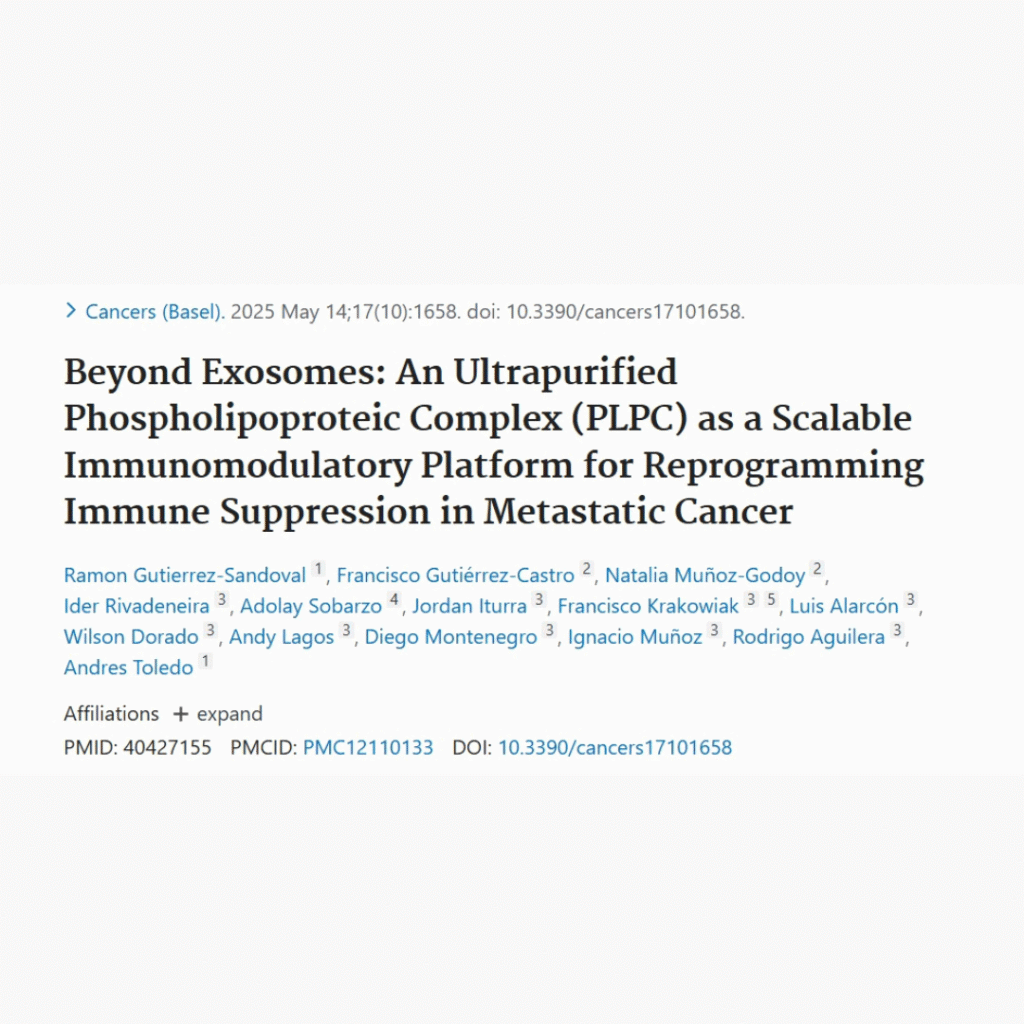
Beyond Exosomes: Ultrapurified Phospholipoproteic Complex (PLPC) as a Scalable Immunomodulatory Platform to Reprogram Immune Suppression in Metastatic Cancer
Authors:
Ramon Gutierrez-Sandoval, Francisco Gutiérrez-Castro, Natalia Muñoz-Godoy, Ider Rivadeneira, Adoly Sobarzo, Jordan Iturran, Francisco Krakowiak, Luis Alarcon, Willison Dorado, Andy Lagos, Diego Montenegro, Ignacio Muñoz, Rodrigo Aguilera, Andres Toledo
Posted Date: 7 April 2025
doi: 10.210944/preprints202504.0471.mw
Keywords: PLPC; dendritic secretome; exosome-derived vesicles; tumor immune microenvironment; immune reprogramming; T cell polarization; apoptosis; cytokine modulation; metastatic immune resistance; tumor immune escape; cold tumors; subclinical immunology; advanced vesicle stabilization; non-GMP platform; GRAS-compatible immunotherapy
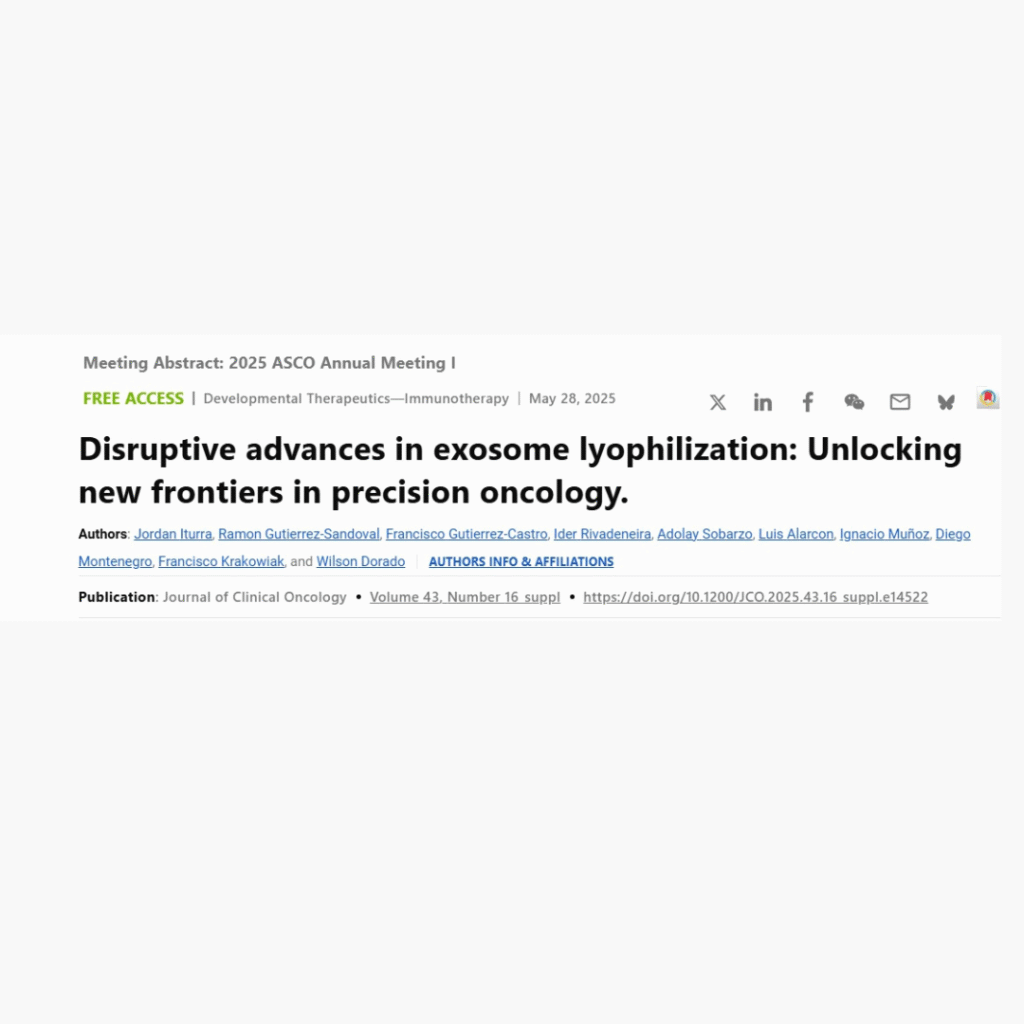
Authors: Jordan Iturra, Ramon Gutierrez-Sandoval, Francisco Gutierrez-Castro, Ider Rivadeneira, Adolay Sobarzo, Luis Alarcon, Ignacio Muñoz, Diego Montenegro, Francisco Krakowiak, and Wilson Dorado
AUTHORS INFO & AFFILIATIONS
Publication: Journal of Clinical Oncology • Volume 43, Number 16 suppl https://ascopubs.org/doi/10.1200/JCO.2025.43.16_suppl.e14522
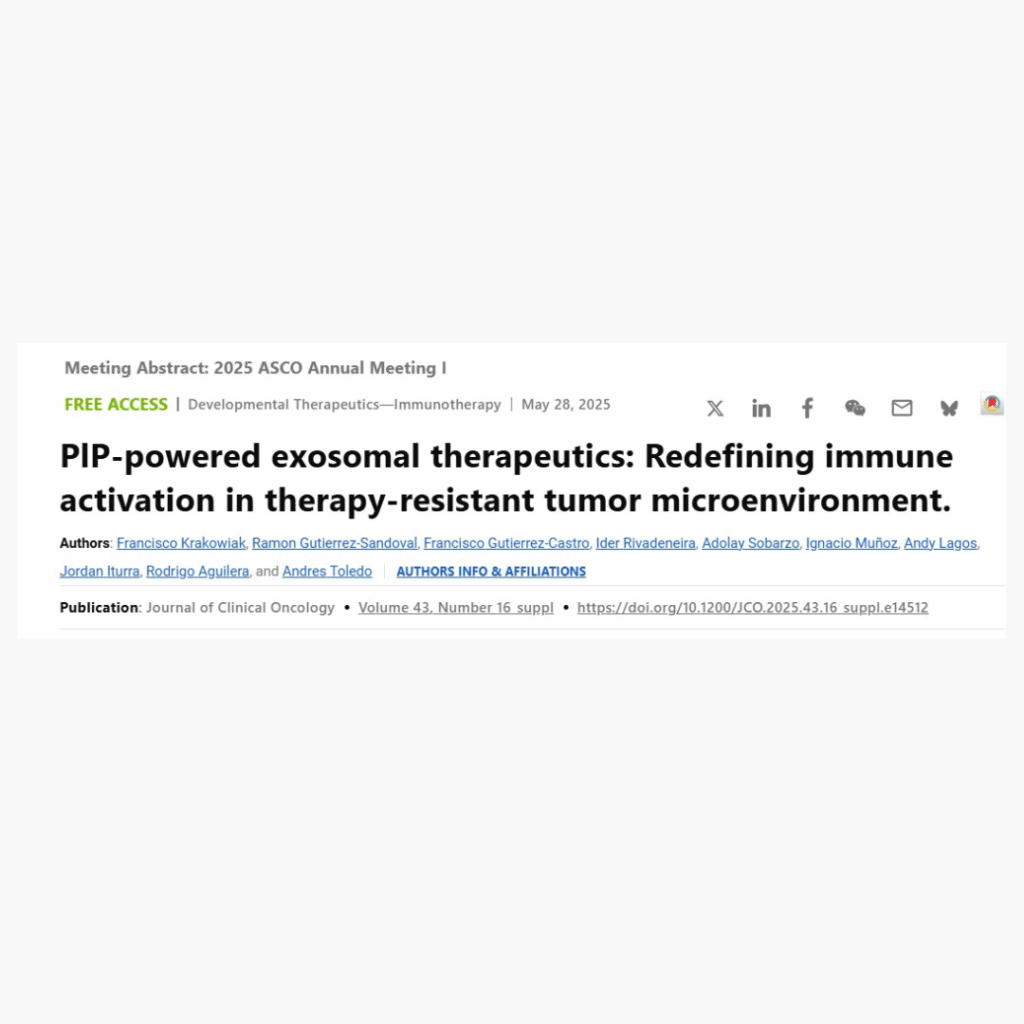
Authors:
Francisco Krakowiak, Ramon Gutierrez-Sandoval, Francisco Gutiérrez-Castro, Ider Rivadeneira, Adoly Sobarzo, Ignacio Muñoz, Andy Lagos, Jordan Iturran, Rodrigo Aguilera, Andres Toledo
Publication:
Journal of Clinical Oncology • Volume 43, Number 16, supplement
https://ascopubs.org/doi/10.1200/JCO.2025.43.16_suppl.e14512
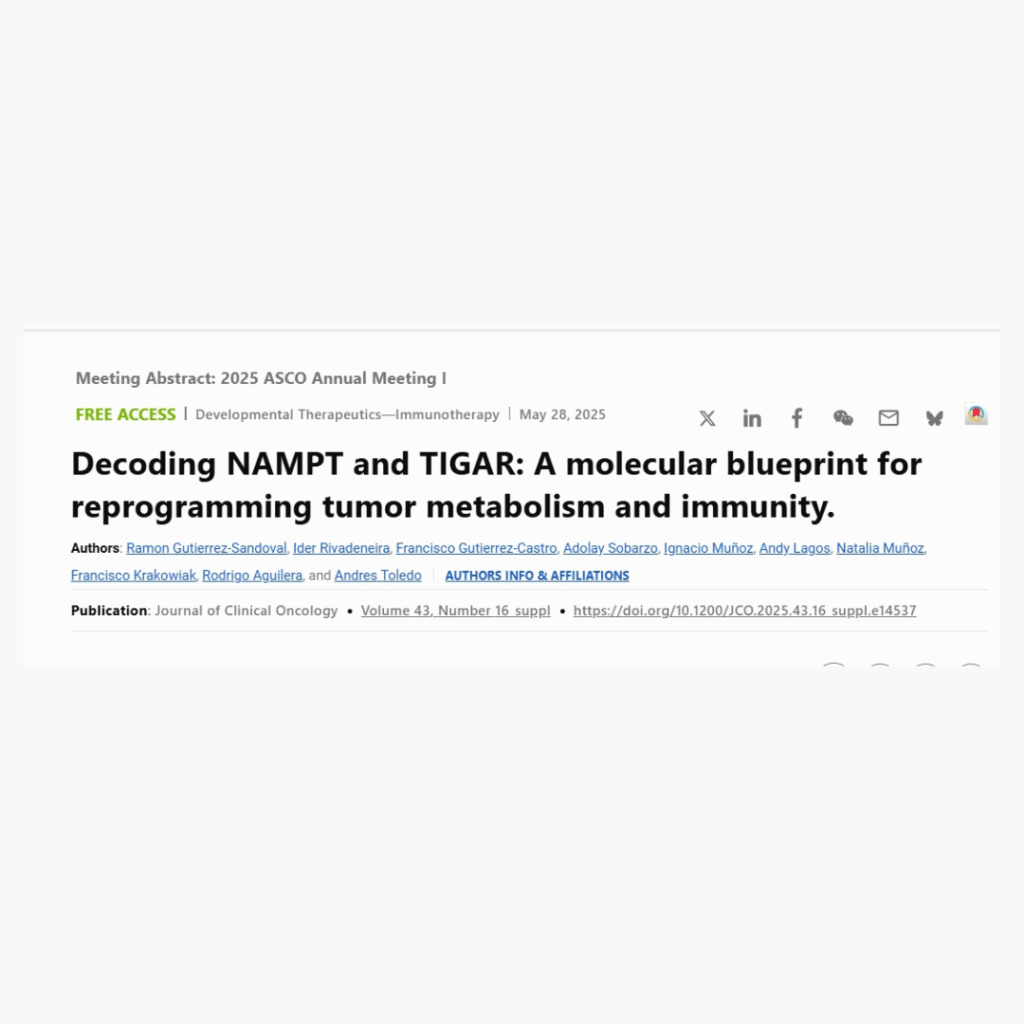
Authors: Ramon Gutierrez-Sandoval, Ider Rivadeneira, Francisco Gutierrez-Castro, Adolay Sobarzo, Ignacio Muñoz, Andy Lagos, Natalia Muñoz, Francisco Krakowiak, Rodrigo Aguilera, and Andres Toledo
AUTHORS INFO & AFFILIATIONS
Publication: Journal of Clinical Oncology • Volume 43, Number 16 suppl •
https://ascopubs.org/doi/10.1200/JCO.2025.43.16_suppl.e14537
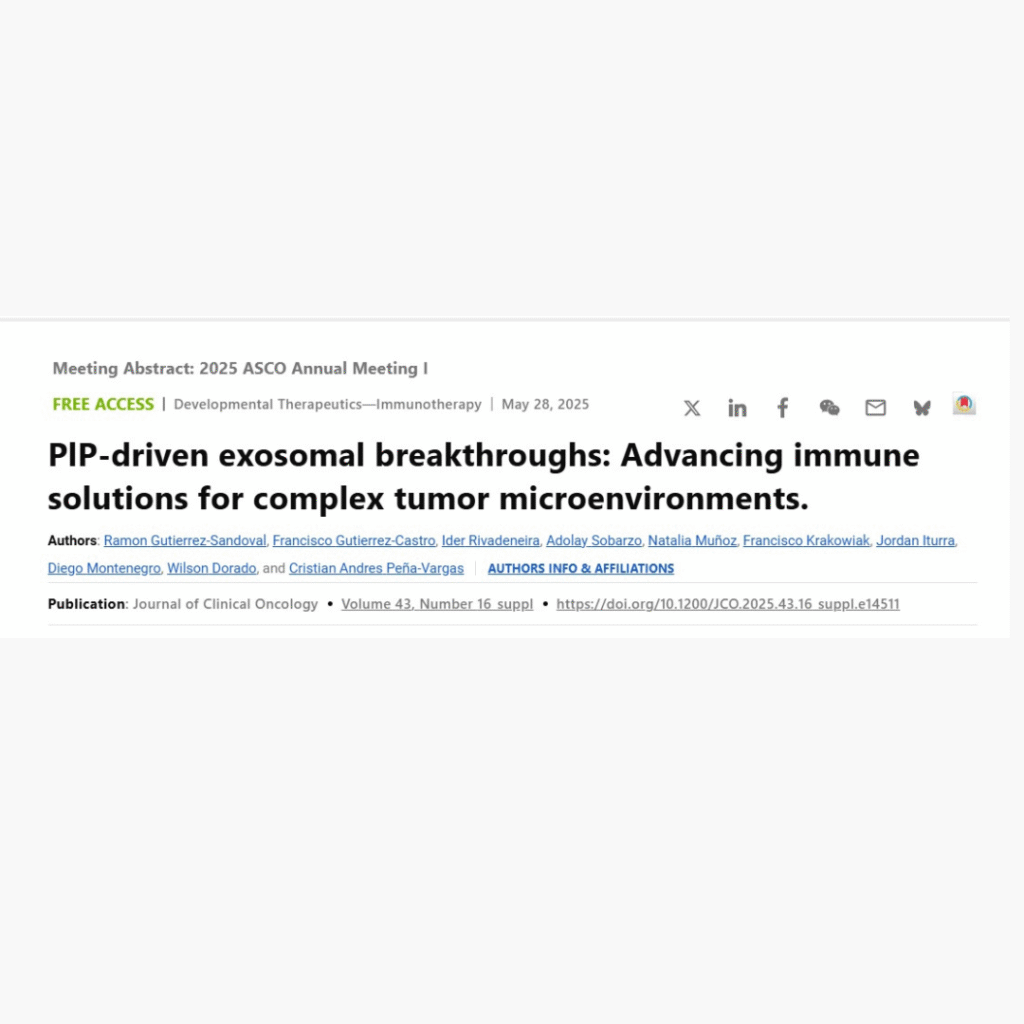
Authors: Ramon Gutierrez-Sandoval, Francisco Gutierrez-Castro, Ider Rivadeneira, Adolay Sobarzo, Natalia Muñoz, Francisco Krakowiak, Jordan Iturra, Diego Montenegro, Wilson Dorado, and Cristian Andres Peña-Vargas
AUTHORS INFO & AFFILIATIONS
Publication: Journal of Clinical Oncology • Volume 43, Number 16 suppl •
https://ascopubs.org/doi/10.1200/JCO.2025.43.16_suppl.e14511#C2405246
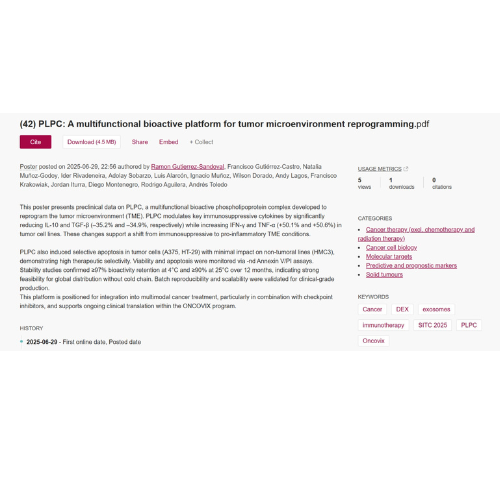
Gutiérrez-Sandoval R, Gutiérrez-Castro F, Rivadeneira I, Sobarzo A, Alarcón L, Muñoz I, et al.
PLPC: Una plataforma bioactiva multifuncional para la reprogramación del microambiente tumoral.
PLPC: A multifunctional bioactive platform for tumor microenvironment reprogramming.
https://doi.org/10.6084/m9.figshare.29434214
Presented at: SITC 2025 Spring Scientific: Cellular Therapy for Solid Tumors; 2025 Mar 12–14;
Rancho Bernardo Inn, San Diego, CA, USA.
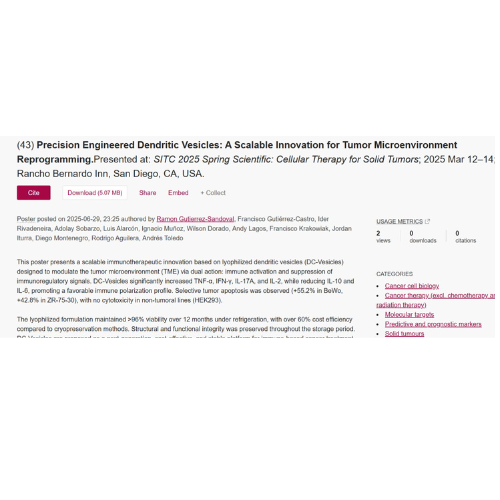
Gutiérrez-Sandoval R, Gutiérrez-Castro F, Rivadeneira I, Sobarzo A, Alarcón L, Muñoz I, et al.
https://doi.org/10.6084/m9.figshare.29434346
Precision Engineered Dendritic Vesicles: A Scalable Innovation for Tumor Microenvironment
Reprogramming.
Vesículas dendríticas de ingeniería de precisión: una innovación escalable para la reprogramación del microambiente tumoral.
Presented at: SITC 2025 Spring Scientific: Cellular Therapy for Solid Tumors; 2025 Mar 12–14;
Rancho Bernardo Inn, San Diego, CA, USA.
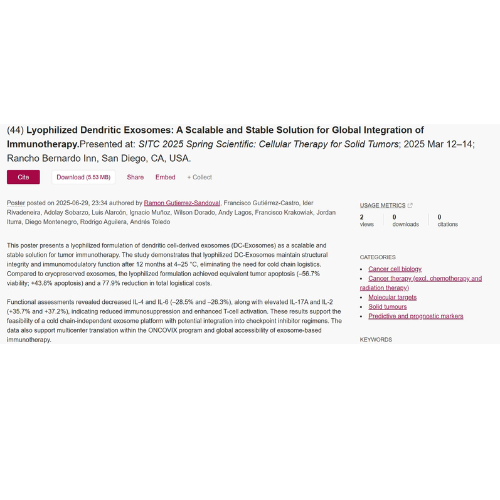
Gutiérrez-Sandoval R, Gutiérrez-Castro F, Rivadeneira I, Sobarzo A, Alarcón L, Muñoz I, et al.
https://doi.org/10.6084/m9.figshare.29434391
Lyophilized Dendritic Exosomes: A Scalable and Stable Solution for Global Integration of
Immunotherapy.
Exosomas dendríticos liofilizados: una solución escalable y estable para la integración global de la inmunoterapia.
Presented at: SITC 2025 Spring Scientific: Cellular Therapy for Solid Tumors; 2025 Mar 12–14;
Rancho Bernardo Inn, San Diego, CA, USA.
The Art of Conquering Cancer: Science, Strategy and Advances, shared with us by Dr. Ramón Gutiérrez, is one of the most fascinating trilogies on cancer in recent decades, for knowledge that seems distant but, at the same time, a reality closer than we think. “History of 50 Errors in Cancer You Can Avoid” offers us an exhaustive compendium of real experiences and fundamental advice for those who face the arduous challenge of cancer.
In this book, Dr. Ramón Gutiérrez, a recognized oncopathologist, provides a unique, accessible, and profoundly human approach, sharing his vast experience and knowledge. The author analyzes in detail the most common mistakes, revealing how the lack of precise information or the making of untimely decisions can significantly alter the course of cancer diagnosis, treatment, and follow-up, affecting both patients and their loved ones.
Throughout the book, it is emphasized how mistaken decisions, often made in moments of confusion or uncertainty, can have serious repercussions on the patient’s health and on their chances of recovery. Dr. Gutiérrez provides concrete examples of these errors, exposing the key moments in which losses of critical time, treatment opportunities, or the wrong choice of therapies can be avoided. At the same time, it is a reality closer than we think.
In Strategic Biopsy of Cancer. Weak Points to Defeat Cancer, Dr. Ramón Gutiérrez Sandoval offers a detailed and accessible guide on the fight against this disease. From the fundamentals of cancer to current advances, this work combines science, clinical experience, and practical guidance.
Highly useful for patients and professionals, this book breaks down causal factors, advanced diagnostics, and the most effective treatments, including targeted therapies, precision oncology, immunotherapy, and personalized medicine. With an educational and accessible approach, Dr. Gutiérrez Sandoval provides essential tools to understand cancer and choose the most appropriate treatment.
Breakthrough in Cancer Immunotherapy is a pioneering work by oncologist and pathologist Dr. Ramón Gutiérrez-Sandoval that explores the development, clinical validation and application of the Personalized Exosome-Based Immunotherapy Platform (PEBIP). This innovative therapeutic strategy offers a non-toxic, personalized and highly precise alternative to treat cancer, based on dendritic cell-derived exosomes (DEX).
With a rigorous, multidisciplinary approach, the author presents the biological foundations, bioengineering advances, clinical application protocols and scientific evidence supporting this cutting-edge immunotherapy. This book also addresses regulatory aspects, impact on the tumor microenvironment, integration with artificial intelligence and real clinical cases, positioning it as a key resource for oncologists, biomedical researchers and healthcare professionals.
- A personalized, cell-free and non-toxic immunotherapy, developed based on exosomes.
- In-depth analysis of immunological, clinical and bioarchitectural mechanisms of treatment.
- Includes clinical results, international validations and integrative application proposals.
DEX Immunotherapy in the Advanced Treatment of Cancer, written by Dr. Ramón Gutiérrez, is a fundamental work aimed at both patients and health professionals. Throughout the book, Dr. Gutiérrez explores the latest innovations in precision and personalized cancer immunotherapy, which have been shown to significantly improve quality of life and clinical outcomes. With a clear approach and grounded in decades of research, this book is an essential guide for those seeking to understand and apply one of the most advanced cellular and molecular treatments in the fight against cancer.
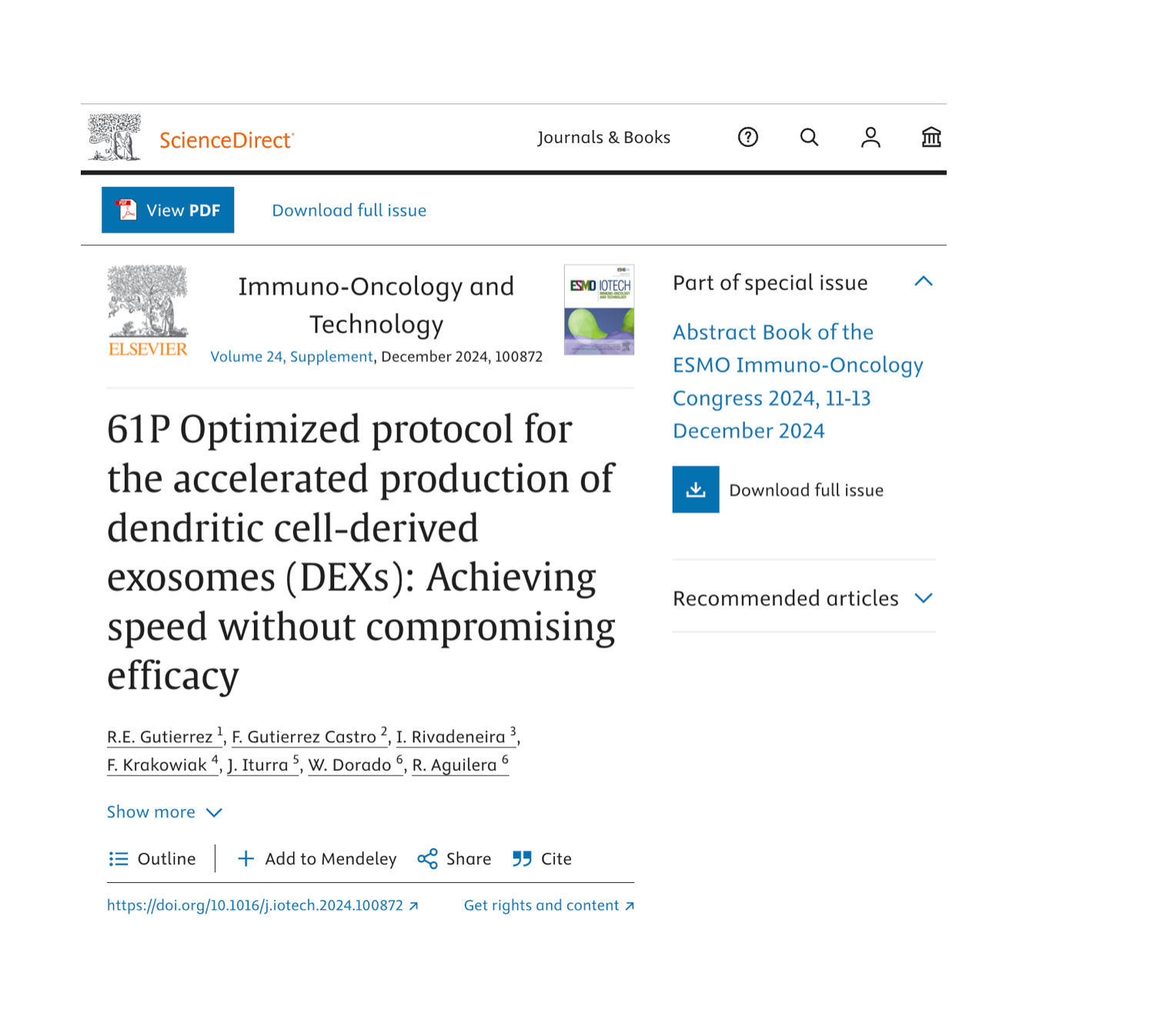
The 61P Protocol introduces a major optimization in personalized immunotherapy by accelerating the production of dendritic cell–derived exosomes (DEX) from 14 to 10 days, a key step to improving global accessibility without compromising quality. Presented in 2024 and published in a Q1 open-access journal, this study demonstrated that the optimized workflow maintained high cell viability (91.2%), stable immunological potency (variations in cytokine release <5%), and preserved structural integrity of exosomal markers (CD80, CD83, HLA-DR) with only minor size differences (110 vs. 112 nm). Using advanced methodologies such as flow cytometry, ELISA, Western blot, and Nanosight, the results validate that reducing production time enhances efficiency while ensuring therapeutic reliability. This protocol offers a cost-effective, robust, and scalable tool, underscoring its international relevance in expanding the reach of modern immuno-oncology.
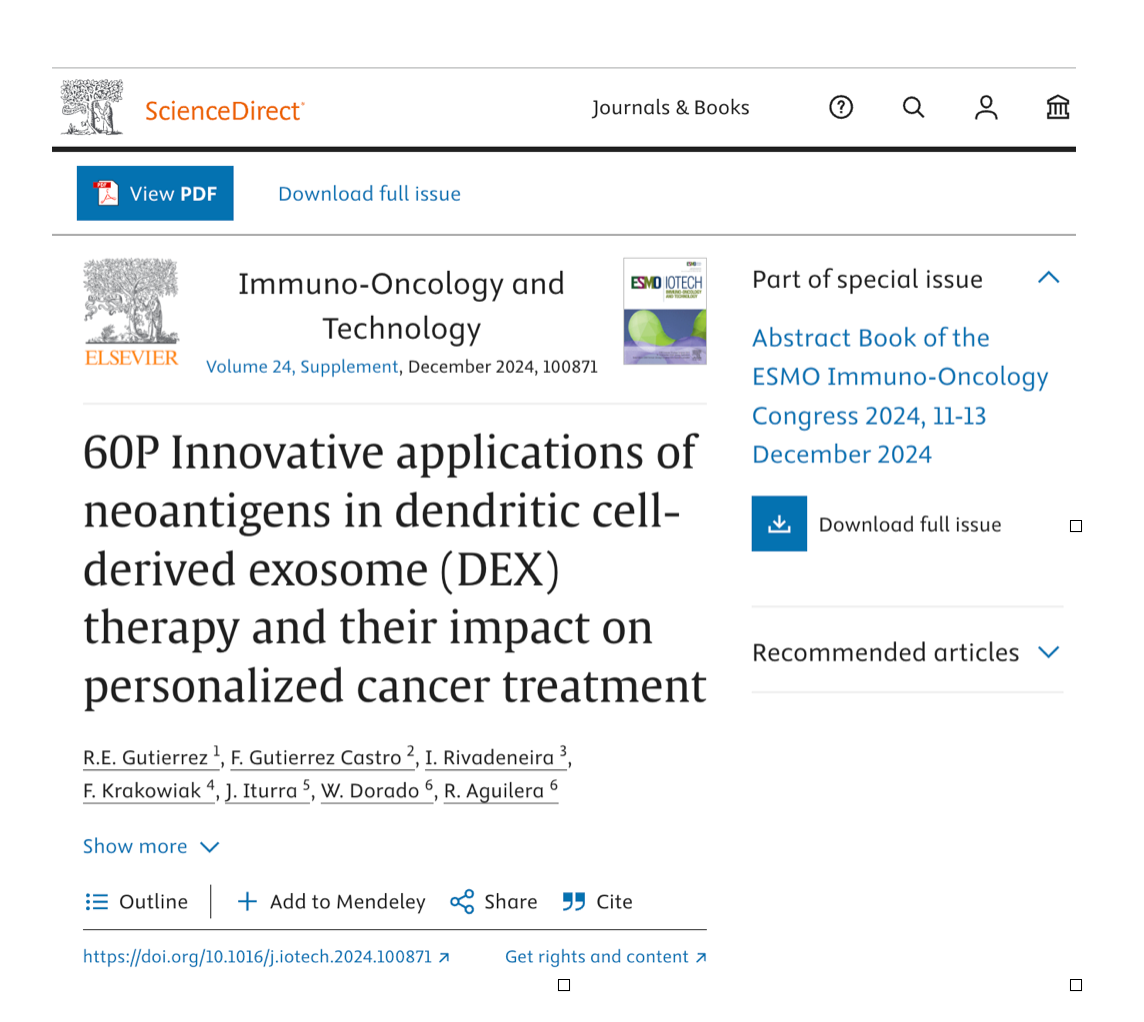
The 60P Protocol represents an innovative advance in personalized immunotherapy through dendritic cell–derived exosomes (DEX) pulsed with neoantigens, a key strategy for treating resistant and heterogeneous tumors. Presented at the ESMO Engineering Immuno-Oncology Congress 2024 and published in a Q1 open-access journal, this study demonstrated a significant increase in T-cell activation (50.7%), IFN-γ production (55.4%), and tumor apoptosis (34.7%). Using technologies such as Nanosight, Western blot, and ELISA, the results validate the potential of DEX to reprogram the immune system and reshape the tumor microenvironment. This protocol offers a personalized, efficient, and scalable therapeutic tool, underscoring its relevance in modern immuno-oncology.
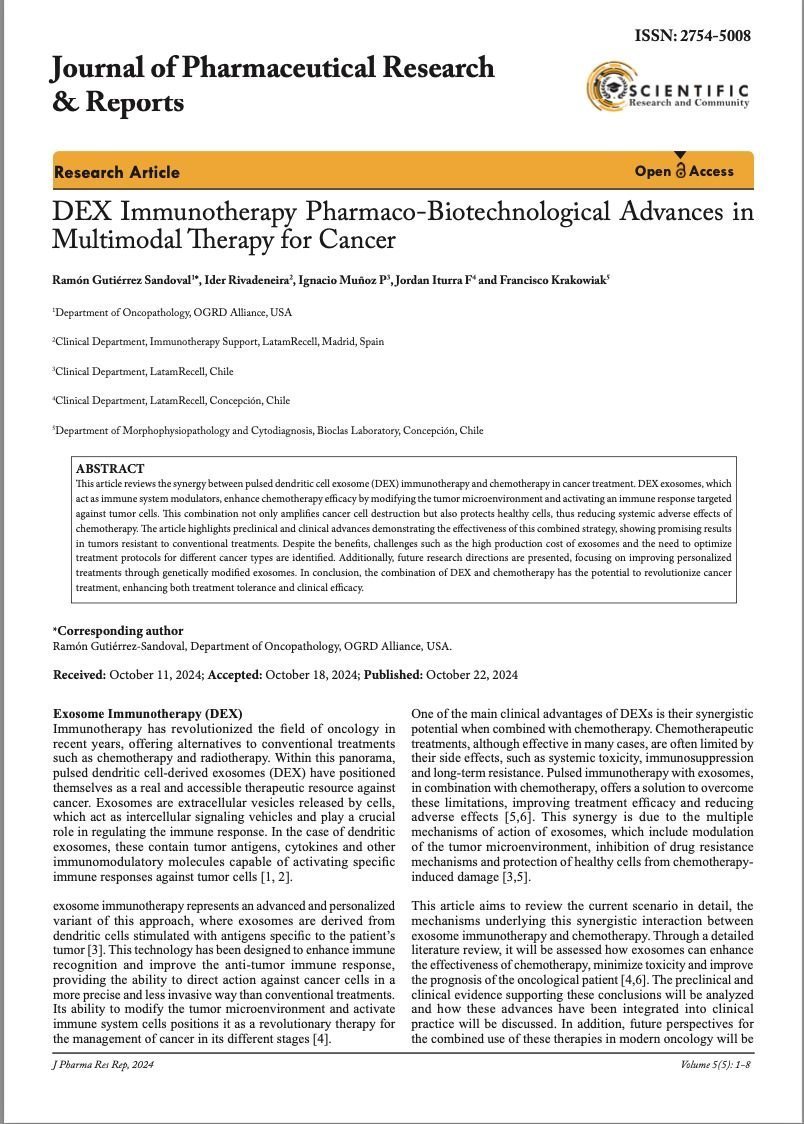
This article reviews the advances and benefits of combining immunotherapy with dendritic cell–derived pulsed exosomes (DEX) and conventional cancer treatments. DEX exosomes are extracellular vesicles that modulate the immune system, improving the effectiveness of chemotherapy and radiotherapy by modifying the tumor microenvironment and activating a specific response against cancer cells.
This therapeutic combination not only increases the destruction of tumor cells but also protects healthy cells, thus reducing the typical adverse effects of chemotherapy, such as systemic toxicity. Clinical and preclinical advances are presented that have shown innovative results, especially in tumors resistant to conventional treatments.
Associated challenges are identified, and future lines of research are proposed aimed at the personalization of treatments through genetically modified exosomes to increase their efficacy. In conclusion, the combination of DEX and chemotherapy emerges as a revolutionary strategy that can improve treatment tolerance and optimize clinical outcomes in cancer patients, representing a multimodal approach with great potential to transform cancer management.
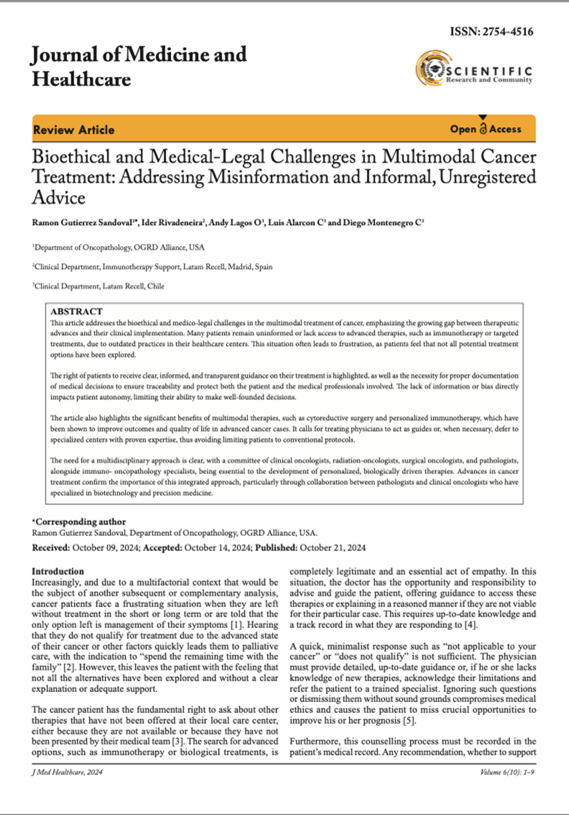
This article explores the bioethical and medical-legal challenges in multimodal cancer treatment, highlighting the gap between therapeutic advances and their implementation in clinical practice. Many patients lack access to advanced therapies such as immunotherapy, which generates frustration as they feel that not all available options are being explored.
The importance of patients receiving clear and documented information is emphasized, protecting their autonomy and medical decision-making. The crucial role of multimodal therapies, such as cytoreductive surgery and personalized immunotherapy, is also highlighted to improve outcomes in advanced cancer cases.
Multidisciplinary collaboration is essential to develop personalized therapies based on tumor biology, with the integration of clinical oncologists, surgeons, radiotherapists, and pathologists specialized in immunology and biotechnology. This comprehensive approach is presented as fundamental for the success of cancer treatment in the era of precision medicine.
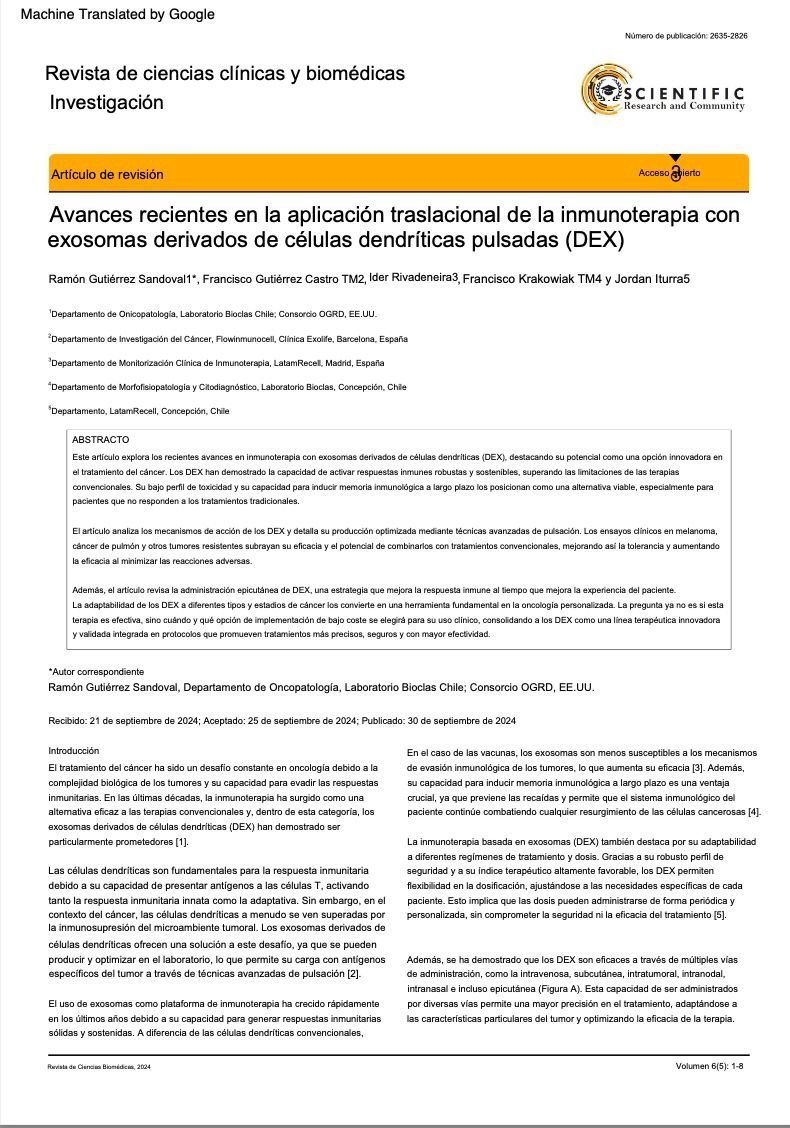
Versión en español- Paper:
Avances recientes en la aplicación traslacional de la inmunoterapia con
exosomas derivados de células dendríticas pulsadas (DEX)
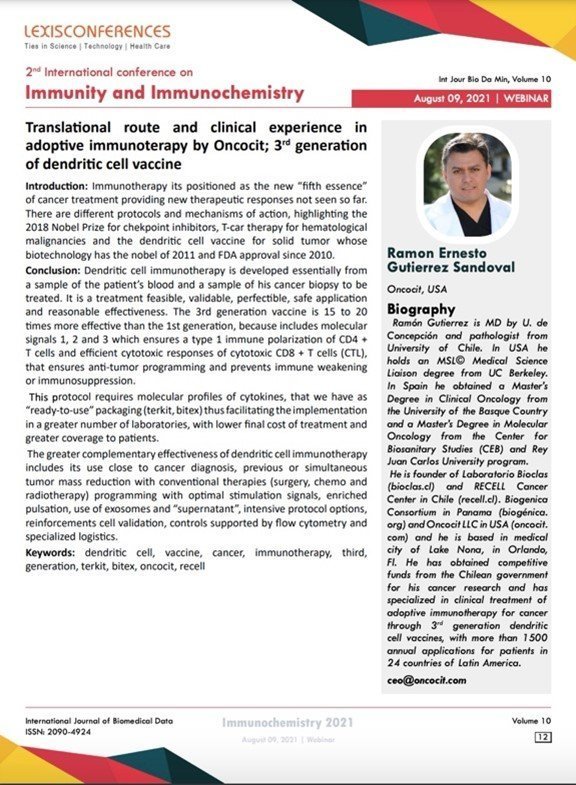
The article “Translational Route and Clinical Experience in Adoptive Immunotherapy by Oncovix 3rd Generation of Dendritic Cell Vaccine”
presents a pioneering advance in adoptive cancer immunotherapy. The third-generation dendritic cell vaccine, developed by Oncocit, integrates molecular signals 1, 2, and 3, which ensures type 1 immune polarization of CD4+ T cells and optimal activation of cytotoxic CD8+ T cells. This guarantees robust and sustained antitumor responses.
In addition, the protocol includes a “ready-to-use” package (terkit and bitex) that facilitates implementation in multiple laboratories, with accessible and effective logistics. Its adaptability allows integration into combined treatments such as surgery, chemotherapy, and radiotherapy, improving clinical outcomes.
With reduced cost and broader coverage, this protocol has been clinically validated in 24 countries with more than 1,500 annual applications, offering a safe, scalable, and high-impact solution for cancer treatment worldwide, with unmatched immunological support in its therapeutic capacity.

Patents
Coming soon, in November 2024, Dr. Gutiérrez’s Team will share an innovative patent registered at the USPTO that introduces an ultra-purified and scalable composition, designed for advanced biotechnological applications. This biochemical concentrate promises to revolutionize the field, with optimized properties for safe and efficient use in cutting-edge scientific processes. The patent covers multiple unprecedented aspects that stand out for their precision and adaptability in key biotechnological contexts. Stay tuned for this upcoming revelation that will redefine the boundaries of biotechnology.

Patentes
Finally, by November 2024, a patent registered at the USPTO will be revealed that introduces an innovative biomolecular composition focused on immune support. This formula optimizes bioavailability at the microcapillary level, ensuring efficient interaction between compatible substrates. The advanced design of the patent maximizes safe and scalable integration into biotechnological applications, providing exceptional value in cellular modulation. With key principles of adaptation and biological synchronization, this composition promises to be a crucial breakthrough in the field of immune support and precision biotechnology. Stay tuned to learn more about this development.